

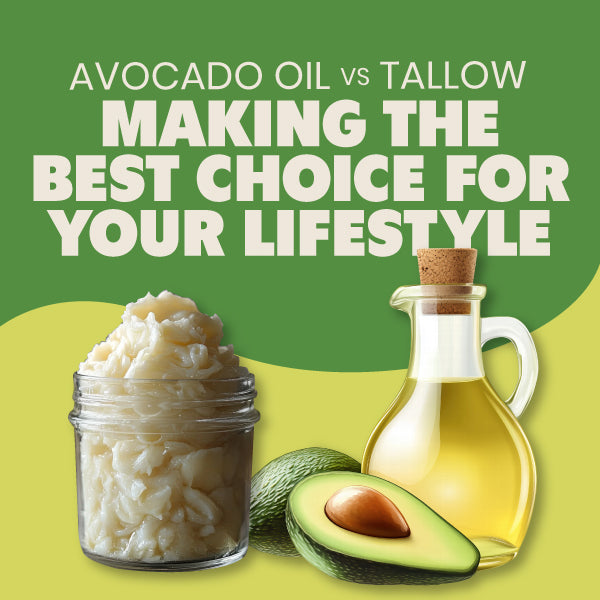
If you have spent any time reading ingredient labels or following food conversations online, you have probably noticed two fats coming up again and again: avocado oil and beef tallow. Both have deep roots in traditional cooking, both handle high heat well, and both have passionate fans. So what actually sets them apart?
We are big believers in knowing what goes into your food. Whether you are cooking at home or reaching for a bag of chips, understanding your ingredients is part of feel good snacking. Let us break down these two fats side by side so you can make the choice that fits your lifestyle.
The lowdown on beef tallow
Beef tallow is rendered beef fat, and it has been a staple in kitchens for centuries. Long before industrially processed cooking oils became the norm, tallow was the go-to fat for frying, roasting, and baking. It has made a comeback in recent years, and for good reason.
Here is what tallow brings to the table:
- Rich, savory flavor: Tallow has a distinctly beefy, full-bodied taste that adds depth to anything cooked in it. It is bold and satisfying in a way few other fats can match.
- High smoke point: With a smoke point around 480°F (250°C), tallow is well-suited for high-heat cooking like frying and roasting without breaking down quickly.
- Fat-soluble vitamins: Quality tallow, particularly from grass-fed sources, can contain fat-soluble vitamins like A, D, E, and K, as well as conjugated linoleic acid (CLA).
- Relatively low in PUFAs: Compared to many common cooking oils, tallow contains lower levels of polyunsaturated fatty acids (PUFAs). Oils high in PUFAs can be more prone to oxidation during high-heat cooking [1][2], which is one reason some cooks prefer more stable fats.
- Animal-based: Tallow is a great fit for omnivore, carnivore, and paleo-leaning eating styles.
A little Jackson's history worth sharing: when our founders were first tinkering in their home kitchen, dreaming up the perfect crispy sweet potato chip, tallow was one of the traditional fats they experimented with. They were drawn to its stability and flavor. Ultimately, though, they landed on avocado oil, and we will get to exactly why in a moment.

Shining a light on avocado oil
Avocado oil is pressed from the fleshy pulp of the avocado fruit, not the seed. That distinction matters, because the pulp is where the oil's distinctive fat profile lives. You can read more about the full profile of avocado oil if you want to go deeper, but here are the highlights.
- Exceptionally high smoke point: Refined avocado oil can reach upwards of 500°F (260°C), making it one of the most heat-stable cooking oils available and ideal for achieving a consistent, crispy crunch.
- Neutral, mild flavor: Unlike tallow, avocado oil has a light, clean-tasting profile that lets the natural flavors of real ingredients shine through rather than competing with them.
- Rich in monounsaturated fats: Avocado oil is predominantly made up of oleic acid, a monounsaturated fat that has been studied for its potential role in cardiovascular health.
- Contains Vitamin E and lutein: These antioxidants are naturally present in avocado oil [source].
- Relatively low in PUFAs: Like tallow, avocado oil contains lower levels of polyunsaturated fats compared to many common seed oils, which tend to be more prone to oxidation at high heat [source].
- Vegan and plant-based: Avocado oil fits a wide range of dietary lifestyles, including vegan, vegetarian, paleo, and keto-friendly eating patterns.
Tallow vs. avocado oil: how they compare

Where they are similar
- High-heat performance: Both fats handle high cooking temperatures well, making them reliable for frying, roasting, and kettle-cooking.
- Lower PUFA content: Compared to many commonly used seed oils that are high in omega-6 polyunsaturated fatty acids, both tallow and avocado oil contain significantly lower levels. Diets with a large imbalance of omega-6 relative to omega-3 have been linked to inflammation in some research [source][source].
- Traditional roots: Both fats have been used in cooking long before highly processed industrial oils became widespread.
Where they differ
- Source: Tallow is animal-derived; avocado oil is plant-based. This is the key distinction for anyone following a vegan or vegetarian lifestyle.
- Flavor: Tallow brings a rich, savory, distinctly beefy taste. Avocado oil is mild and neutral, which lets other ingredients take center stage.
- Primary fat type: Tallow is predominantly saturated fat. Avocado oil is predominantly monounsaturated fat. Both have a place in a varied diet.
- Diet compatibility: Tallow fits paleo and carnivore approaches but is not suitable for vegan or vegetarian diets. Avocado oil fits virtually every eating framework, including vegan, paleo, keto-friendly, Whole30 Friendly, and AIP-friendly styles.
Why avocado oil is Jackson's choice, always
At Jackson's, every single snack is made with avocado oil. Not sometimes. Not as an option. Always.
There are a few reasons avocado oil ended up being the right fit for us. Its neutral flavor means the real sweet potatoes, real potatoes, and real veggie blends in our chips and straws get to shine on their own. Its high smoke point is perfect for kettle-cooking, giving you that signature satisfying crunch without the oil breaking down in the process. And its plant-based origin means our snacks are accessible for vegan and vegetarian snackers, which matters to us deeply.
Jackson's snacks are not made with beef tallow or seed oils. They are made with avocado oil, real food ingredients, and seasoning. That has been true since our founders first started Jackson's, and it has never changed.
If you are curious about how avocado oil stacks up against other common cooking oils, check out our breakdown of avocado oil for another perspective.
Which fat is right for you?
Both beef tallow and avocado oil are time-tested cooking fats with real culinary merit. The one that makes sense for your kitchen depends on a few things:
- Your dietary preferences, whether omnivore, vegan, paleo, or something else entirely
- The flavor profile you are going for, bold and beefy versus light and neutral
- The cooking method you are using and what heat stability you need
There is no single right answer for every person or every dish. What we do know is that for snacking, avocado oil hits every mark we care about: flavor that lets real ingredients shine, stability for a satisfying crunch, and a fit for nearly every lifestyle.
The bottom line
Avocado oil and beef tallow are both genuinely interesting fats with long histories in the kitchen. Understanding what makes them different helps you make more confident choices about what you cook with and what you snack on. That kind of ingredient awareness is something we think everyone deserves.
When you reach for a bag of Jackson's chips or straws, you already know what is inside: real food ingredients, avocado oil, and seasoning. Real sweet potatoes or real veggies, kettle-cooked to a bold, craveable crunch. Feel good snacking, every single time.
Grab a bag: Try the Sea Salt Variety Pack and taste avocado oil in action.


