


You reach for a pepper at the store and pause. Habanero or jalapeño? One is a weekend warrior move, the other is Tuesday night salsa. Both are bold, both are real, and both have serious flavor cred. But knowing the difference can save your dinner and your taste buds.
Whether you are cooking from scratch, building a snack spread, or just curious why one pepper sends you reaching for a glass of water faster than the other, this guide breaks it all down. Heat levels, flavor, size, culinary uses, and yes, a little snack inspiration along the way.
Habanero vs jalapeño: what they have in common
Before we get into the differences, it helps to know what these two peppers share. They are more alike than you might think.
They both come from the Capsicum genus
Both habanero and jalapeño peppers belong to the Capsicum genus and are members of the nightshade family, Solanaceae. Their botanical roots trace back to Central and South America, and they have been staples in regional cuisines for centuries.
Capsaicin is the heat source in both
The compound that makes your eyes water and your mouth tingle is capsaicin, and both peppers contain it. Habaneros generally carry a higher capsaicin concentration, which is why they pack a much more intense punch, but jalapeños are no slouch either.
Similar appearance when unripe
Both peppers start out green, with smooth shiny skin and a tapered shape. As they ripen, they shift into warmer colors, though the specific hues vary by variety and species.
Both are kitchen workhorses
Fresh, dried, pickled, or powdered, habaneros and jalapeños both pull their weight in salsas, sauces, marinades, and all kinds of savory cooking. Their versatility is part of what makes them so beloved across cuisines worldwide.
Rich in vitamin C
Both peppers are low in calories and contain vitamin C, which contributes antioxidants to whatever dish they are added to.
They grow in similar conditions
Both plants thrive in warm climates with well-drained soil and plenty of sunlight. They can be grown in gardens or containers, making them accessible for home growers and backyard gardeners alike.
Storage and preservation
Fresh jalapeños and habaneros can be refrigerated for a short time. Both also respond well to drying, pickling, or preserving, which extends their shelf life and even deepens their flavor.
Beloved across cuisines
From Mexican to Caribbean to South American cooking, both peppers have carved out a permanent spot in global kitchens. They bring heat and character to dishes that would otherwise be missing that extra spark.
Jalapeño vs habanero: the key differences
Here is where things get interesting. These two peppers may share some DNA, but their personalities are very different.
Heat level
This is the big one. Jalapeños typically register between 2,500 and 8,000 Scoville Heat Units (SHU). Habaneros? They start at 100,000 SHU and can climb to 350,000 or beyond. To put that in perspective, a habanero can be anywhere from 12 to 140 times hotter than a jalapeño. If you want heat you can manage, jalapeño is your friend. If you want to feel it in your soul, habanero is calling your name.
Flavor profile
Jalapeños have a grassy, mildly vegetal flavor with a gentle sweetness. They add heat without dominating a dish. Habaneros, on the other hand, bring a fruity, floral quality alongside their fire. That tropical undertone is part of what makes habanero sauces and salsas so distinctive. The heat and fruit work together in a way that keeps you coming back, carefully.
Size and shape
Jalapeños are typically 2 to 4 inches long and cylindrical. Habaneros are smaller and more compact, usually 1 to 2 inches, with a distinctive lantern or wrinkled shape. The size difference is a reliable way to tell them apart at a glance.
Color as they ripen
Jalapeños primarily transition from green to red as they mature. Habaneros can ripen into shades of orange, red, or yellow depending on the variety, which also reflects differences in flavor intensity at each stage.
Culinary uses
Jalapeños are sliced into nachos, folded into guacamole, layered onto tacos, and stirred into salsas where moderate heat is the goal. Habaneros are used more sparingly in hot sauces, marinades, and dishes where a concentrated, fiery kick is intentional. Even a small amount of habanero changes the whole dish. If you want to explore more about jalapeños and how they compare to other peppers, the breakdown in our guide to serrano vs jalapeño peppers is worth a read.
Origin
Habanero peppers are native to the Amazon basin and made their way through the Caribbean and into Central America. Jalapeños originated in Mexico and are now cultivated across the world.
Plant size and growth habit
Habanero plants tend to be smaller and bushier. Jalapeño plants grow taller with a more upright habit. If you are planning a container garden, the compact habanero plant can be a bit easier to manage spatially.
Regional cuisine connections
Jalapeños are closely tied to Mexican cooking, showing up in everything from street tacos to queso. Habaneros are more at home in Caribbean and Central American dishes, where their fruity heat plays well with tropical ingredients like mango and pineapple.
A quick comparison at a glance
- Heat: Jalapeño 2,500 to 8,000 SHU vs Habanero 100,000 to 350,000+ SHU
- Flavor: Jalapeño is grassy and mildly sweet; habanero is fruity and floral
- Size: Jalapeño is 2 to 4 inches; habanero is 1 to 2 inches
- Shape: Jalapeño is cylindrical; habanero has a lantern-like form
- Ripens to: Jalapeño turns red; habanero turns orange, red, or yellow
- Best for: Jalapeño works in everyday heat; habanero brings fiery, fruity punch
Beyond savory: peppers in cocktails and desserts
Peppers have broken out of the savory lane in a big way. Both habanero and jalapeño are finding their way into drinks, sweets, and condiments where that sweet heat contrast really shines.
Spicy cocktails
A habanero mango margarita layers habanero-infused tequila with mango puree and lime for a balance of tropical sweetness and serious heat. A jalapeño berry smash with muddled jalapeños, mixed berries, and a splash of bourbon offers a refreshing, mildly spicy sip that works for a wider crowd.
Sweet and spicy confections
Dark chocolate and habanero is a classic pairing for good reason. The bitterness of the chocolate and the fruity fire of the habanero complement each other in a way that feels genuinely surprising. On the lighter side, jalapeño lime sorbet brings citrusy brightness with just enough kick to keep things interesting.
Fruity salsas and sauces
Habanero pineapple salsa is a standout. Sweet tropical fruit balanced against intense heat makes it a natural topping for grilled proteins or a dipping companion for chips. Jalapeño berry sauce, with its sweet and tangy notes, can dress up pancakes or sit alongside ice cream in a way that surprises and satisfies.
How Jackson's brings both flavors to snack time
If you love the flavor energy of these peppers but want to enjoy it as a grab-and-go snack, Jackson's has you covered. The Spicy Jalapeño Sweet Potato Chips bring real jalapeño flavor layered with savory hints of onion and garlic on a real sweet potato chip kettle-cooked in avocado oil. It is that sweet heat combo that keeps you reaching back into the bag.
And if you want to step it up a notch, the bold habanero nacho flavor is another way Jackson's lets these peppers do their thing. Real sweet potatoes, avocado oil, and seasoning. That is the formula. Real food ingredients you recognize.
One reviewer put it well: "These are the best tasting, and are the only sweet potato chips I've found that I can actually have! Using avocado oil and all clean ingredients is a game changer for me!" — Kathy S.
Every Jackson's chip is cooked in avocado oil, always. That means a satisfying crunch with bold flavor and real food ingredients in every bag. Gluten-free, vegan, kosher, Non-GMO, and free from the top 9 allergens.
Curious about what makes avocado oil such a standout cooking oil? This deep dive into avocado oil kettle chips covers the full story.
The takeaway
Habanero and jalapeño each bring something distinct to the table. The jalapeño offers accessible heat and a grassy, mild flavor that works in almost anything. The habanero brings fruity fire that transforms a dish when used with intention. Knowing which to reach for is one of those small kitchen wins that makes cooking more fun and more flavorful.
And when you want all that pepper energy in snack form without the kitchen prep, real sweet potato chips made with avocado oil and bold seasoning are a craveable way to get there. Feel good snacking, real food ingredients, and the kind of crunch that does not compromise.
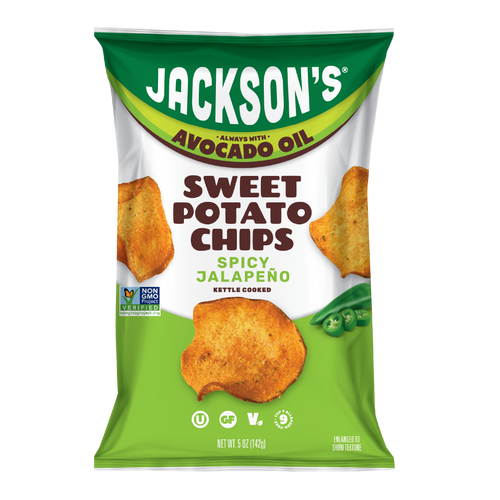
Ready to taste the difference? Grab a bag of Spicy Jalapeño Sweet Potato Chips and bring the bold flavor home.


