 Skip to content

Your Guide to Identifying and Avoiding Seed Oils in Everyday Foods

You know the moment: you flip over a bag, box, jar, or frozen meal, and suddenly the ingredient list feels like a tiny grocery-store mystery. If you are trying to limit seed oils, the good news is that label reading gets easier once you know the names to look for.
This guide keeps it simple: what seed oils are commonly called, where they often show up, and how to choose options that fit your pantry, your cooking style, and your snack mood.
What Counts as a Seed Oil?
Seed oils are oils extracted from plant seeds. Common examples include canola, soybean, sunflower, safflower, corn, cottonseed, grapeseed, rice bran, and sesame oil. On ingredient labels, you may also see broad terms like "vegetable oil," which can refer to one oil or a blend.
Some people choose to limit seed oils because they are paying closer attention to processing methods, cooking oils, or omega-6 and omega-3 balance. If you are making changes for medical reasons, a qualified healthcare professional is the right person to help tailor that choice.
Seed Oil Names to Look For
When you scan a label, look for these common names:
- Canola oil or rapeseed oil
- Soybean oil
- Sunflower oil
- Safflower oil
- Corn oil
- Cottonseed oil
- Grapeseed oil
- Rice bran oil
- Sesame oil
- Vegetable oil or vegetable oil blend
- Hydrogenated or partially hydrogenated oils
One helpful trick: check the ingredient list before the nutrition panel. The nutrition panel tells you totals; the ingredient list tells you what the food is actually made with.
Foods That Often Contain Seed Oils
Seed oils can show up in plenty of everyday foods, especially packaged, fried, or ready-to-eat items. They are not always there, so the label is still your best friend.
Snack Foods
- Potato chips, tortilla chips, and puffed snacks
- Crackers and snack mixes
- Microwave popcorn and flavored popcorn
- Pretzels with added oils or seasoning blends
Baked Goods
- Cookies, brownies, and snack cakes
- Muffins, pastries, and packaged breakfast bars
- Some sandwich breads, buns, and tortillas
Frozen and Fried Foods
- Frozen fries, tots, and hash browns
- Chicken nuggets, fish sticks, and breaded appetizers
- Frozen pizza, frozen dinners, and microwave meals
Condiments and Sauces
- Salad dressings and vinaigrettes
- Mayonnaise and aioli-style spreads
- Marinades, dips, and creamy sauces
- Some BBQ sauces, especially creamy or emulsified styles
Convenience Foods
- Pre-packaged salad kits with dressing or toppings
- Granola bars and protein bars
- Plant-based burgers, nuggets, and cheese alternatives
- Non-dairy frozen desserts and ice cream-style treats
- Canned soups, sauced vegetables, and ready-to-heat meals

How to Shop With Less Guesswork
- Start with the ingredient list. Look for specific oil names first, then broader terms like vegetable oil or oil blend.
- Watch the tiny print on "olive oil" products. Some spreads and dressings mention olive oil on the front but include canola, soybean, or sunflower oil in the ingredients.
- Check toppings and seasoning packets. Salad kits, ramen cups, popcorn packets, and snack mixes can contain oil in a separate pouch or seasoning blend.
- Compare a few brands. Two products can look nearly identical on the shelf and use totally different oils.
- Keep a short list of easy swaps. When you find a dressing, chip, cracker, or frozen meal that fits your preferences, make it a repeat buy.
Easy Alternatives to Keep Around
If you are trying to use fewer seed oils at home, build around foods with short, easy-to-read ingredient lists. For snacks, look for satisfying crunch, bold seasoning, and oils you already know you want in your pantry.
- Air-popped popcorn with your favorite seasoning
- Fresh vegetables with hummus, salsa, guacamole, or tahini dip
- Plain nuts or nut butters without added oils
- Homemade dressings made with olive oil or avocado oil
- Roasted vegetables, potatoes, or sweet potatoes made at home
- Snacks made with real food ingredients, avocado oil, and seasoning
A Simple Label-Reading Rhythm
You do not need to turn every shopping trip into homework. Start with one aisle, one category, or one pantry staple. Maybe this week it is salad dressing. Next week it is crackers. Small swaps add up, and your future self will appreciate the shelf full of familiar favorites.
The snack aisle can still be fun. Keep your standards, keep your crunch, and keep reading those labels like the smart shopper you are.
No Seedy Oils Here
Avocado Oil Goodness Meets Irresistible Flavor - No Seed Oils Here!
-

 8 Pack New Arrival!Variety Pack Super Veggie Straws in Avocado Oil 5oz (Pack of 8)
Variety Pack
Super Veggie Straws in Avocado Oil
- Size
- 5oz bags
- Regular price
- $35.99
- Sale price
- $35.99
- Regular price
-
$35.99 (Liquid error (snippets/product-price line 131): divided by 0 per bag) - Unit price
- per
-
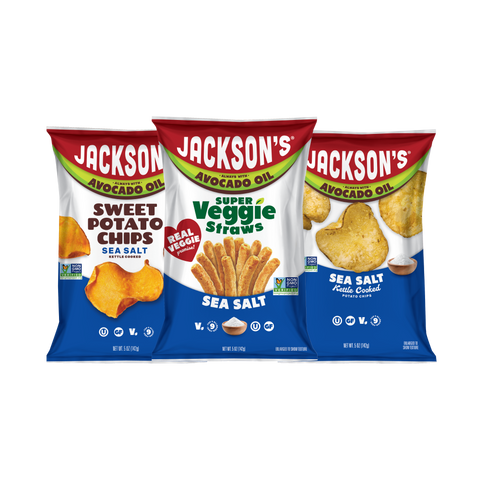 8 Pack New Arrival!Sea Salt Variety Pack Snacks in Avocado Oil 5oz (Pack of 8)
Variety Pack Snacks
Sea Salt in Avocado Oil
- Size
- 5oz bags
- Regular price
- $35.99
- Sale price
- $35.99
- Regular price
-
$35.99 (Liquid error (snippets/product-price line 131): divided by 0 per bag) - Unit price
- per
-
 8 Pack Best SellerSea Salt Sweet Potato Chips in Avocado Oil 5oz (Pack of 8)
Sea Salt
Sweet Potato Chips in Avocado Oil
- Size
- 5oz bags
- Regular price
- $35.99
- Sale price
- $35.99
- Regular price
-
$35.99 (Liquid error (snippets/product-price line 131): divided by 0 per bag) - Unit price
- per
-
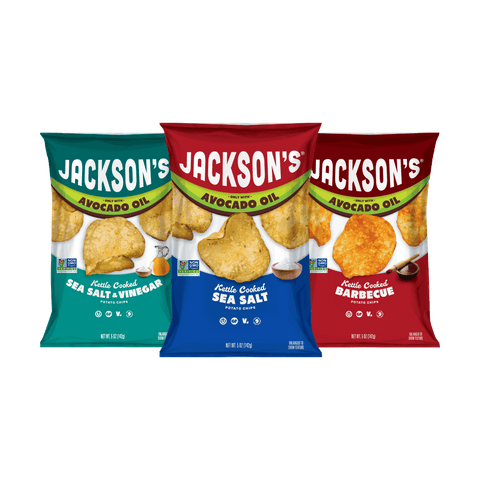 8 PackVariety Pack Kettle Chips in Avocado Oil 5oz (Pack of 8)
Variety Pack
Kettle Chips in Avocado Oil
- Size
- 5oz bags
- Regular price
- $35.99
- Sale price
- $35.99
- Regular price
-
$35.99 (Liquid error (snippets/product-price line 131): divided by 0 per bag) - Unit price
- per


